Showing posts with label Spinach. Show all posts

July 29, 2015

Leafy Greens and Potatoes with Coconut

July 29, 2015
Earlier this year our brother in bhakti-yoga, Sadhumarga Prabhu, translated into Finnish “Cooking for Gaura Nitai”, a cookbook compiled by the students of Bhaktivedanta Academy Gurukula in Mayapur, West Bengal. The book contains nearly 100 lunch recipes, showcasing the diversity of Gaudiya Vaishnava* culinary tradition.
RadishCoconut
The book presents several kinds of rice; raita (salad); shukta (bitter preparations); saag (green vegetables); dal (legumes); cacchari (simple vegetable dishes); fritters like pakora, bora, kofta and bhaji; ghanto (stew-like vegetables); dalna (rich vegetables dishes in gravy); chutneys (sweet and fiery “jams”); and finally sweets, including all famous Bengali milk delicacies. There is also a chapter on Ekadasi, the eleventh day after full and new moon, during which we fast from grains and legumes.

Sadhumarga has also added a chapter in which he contemplates the relationship between health and culture – and the wholesome role of physical, mental and spiritual purity; the cleanliness of ingredients and environment; cooking techniques; and our attitude. Despite the small size, the book is packed with information and since I read it a few evenings ago, I’ve been inspired to improve my cooking, as well as my character. I’m not sure how I’m doing with the latter – it seems to take a longer practice – but I prepared leafy greens and potatoes with coconut according to the book’s instructions, and served the dish with rice, raita and roti (bread) yesterday – and, it was a success! Gradually I will be going through the recipes, and post some of them here on the blog, too.
HerbsPotatoes
There aren't exact measurements in the book but the recipes only list what ingredients and in which order they are used. I found it very nice. It forced me to look at each item attentively to see how it contributes to the process and result, and focus on cooking more deeply than I would’ve done otherwise. I tried to understand the idea of the recipe, and once I got it, I took the liberty to change some details within it. For example, I used kalonji instead of radhuni seeds, and a mixture of greens from our garden instead of just spinach.
Greens
By the way, “Sadhumarga” means “the path of saints”. I am happy to follow his direction, course of action and conduct in the kitchen to reach the goal of life.

*Gaudiya is another way of saying Bengal; Vaishnava is a devotional order dedicated to Sri Vishnu.


LEAFY GREENS AND POTATOES WITH COCONUT
(Serves 6 to 8 persons)


Ingredients:
6 to 7 liters (24 - 28 cups) lightly packed green leaves and stalks (spinach, Swiss chard, radish greens, and baby beets and beet leaves)
6 medium size summer potatoes
1 coconut
2-3 Tbsp ghee
4 cm (1 ½”) piece of ginger (finely grated, juice squeezed out)
1 tsp jeera seeds
1 tsp kalonji seeds
2 tsp freshly ground black pepper
½ tsp pure hing powder (or ¼ - 1/2 tsp Vandevi hing)
2-3 tsp Himalayan salt

Method:
Wash and chop coarsely the greens.
Wash and cut the potatoes into sticks.
Wash, crack open and finely grate the coconut.
Blanch or steam the stalks and greens (and baby beets) until they are soft.
Heat up the ghee in a wok or pot. Add the grated ginger and fry it until it turns light golden. Add the jeera and kalonji seeds along with ground pepper and hing. Fry for 20-30 seconds then add the potatoes.
Fry the potatoes until they get some color and become almost cooked. Finally add the greens, coconut and salt. Cover and cook until the potatoes are tender but not mushy.

Thank you.


March 4, 2015

Bok Choy, Spinach, Broad beans & Piquant paneer

March 4, 2015
3-Bok-choy4-Beans
Cruciferous vegetables – like cabbage, cauliflower, broccoli, brussels sprouts, collard greens, kale and radish – are one of the dominant food crops worldwide. Today they are perhaps more popular than ever: not so much because people crave for vitamin A or C, soluble fiber and phytochemicals, but because modern scientific research shows that Brassica vegetable consumption correlates with lower cancer rates. There isn’t another food group that would match for nourishment across the variety of nutritional categories.
2-Bok-choy5-Fried-paneer
Although I’ve always eaten my “cole crops” with gusto, I became interested in their anti-estrogenic properties after battling with hormone imbalance for years. Estrogen is a fat-making hormone that, in excess, blocks fat-burning hormones needed for a healthy metabolism. As a result, every morsel of food (whether a carbohydrate, sugar, fat or protein) turns into a layer of lard around the belly, hips and tights to protect the organs underneath, especially the ovaries. The liver is a powerhouse through which all hormones are processed, and cruciferous vegetables – especially when eaten raw – help the liver to break down the chemicals, and to detoxify. Sulfur, which is ample in all cabbage family, plays a major role in this process.
Ginger-Hing
Bok Choy or Chinese cabbage’s medicinal value was known to the Ming Dynasty naturalist Li Shizhen (1518 – 1593) who popularized it outside the Yangtze River Delta region, making it a Manchurian staple long before it spread to Japan and around the world.

Unlike regular cabbage, broccoli, mustard greens or rutabaga, bok choy has a very mild scent and flavor. It cooks in a couple of minutes which makes it an attractive alternative for those who can’t afford spending much time in the kitchen. If you make the paneer and clean the beans beforehand, my today’s recipe takes less than ten minutes to assemble.
10-bok-choy1-Paneer
Before you jump to the recipe, let me say that soy sauce (that I’ve used to boost the paneer) is high sodium food. Many brands that manufacture soy sauce or tamari in a non-traditional way enhance their product with table salt (NaCl) and monosodium glutamate (MSG) – two culprits that cause water retention and joint pain when consumed. Studies have shown that MSG triples the output of insulin, and we all know what effect table salt has for blood pressure and cardiovascular health table salt has no nutritional value. Most boxed and canned foods, gravies, TV dinners and condiments are laced with them because they give that extra punch and make a meal taste just a little bit too good to be true. People who eat them regularly loose appetite for natural flavors found in whole foods.

I don’t generally promote any soy-derived products because they are too processed and heavy for my yogic lifestyle, but occasionally I use Bragg Amino Acids for the flavor. It is a seasoning made from non-GMO soy beans and purified water and is without added MSG, preservatives, coloring, alcohol, gluten or salt. If you would like to substitute it with soy sauce, you will have to adjust (probably lessen) the amount in the recipe.
7-Bok-choy
On the side I’ve served beetroot yogurt: A little bit grated beets, yogurt, black pepper and Himalayan salt.
9-beans8-Spinach
Bok Choy, spinach, broad beans and piquant paneer (serves 2 - 4)


Ingredients
For the broad beans:
125 ml (1/2 cup) fresh broad beans (removed from the pods)
Boiling water for parboiling
---
For the tomato sauce:
2 tomatoes
1 red chili pepper (fresh), seeded
½ tsp jeera seeds
1 tsp coriander seeds
2 Tbsp Bragg liquid aminos
(Extra whey if needed)
---
For the paneer:
450 g/16 oz shortly pressed and diced paneer (from 3 liters/12 cups milk + 1 lemon)
2 Tbsp ghee, butter or oil
¼ tsp hing powder
(The tomato sauce from above)
½ tsp kala namak powder
---
For the greens:
1 large bok choy (coarsely chopped)
500 ml (2 cups) baby spinach
1 Tbsp ghee, butter or oil
A good pinch of hing powder
1 Tbsp finely grated ginger
1 green chili, slit
½ tsp Himalayan salt


Method:
Prepare the beans first by parboiling them for a minute to loosen the exterior coating. Then drain and rinse them under cold water, and cut a slit on the outer layer and slip the bean out with your fingers. Discard the skins. Set the beans aside.

Make the tomato sauce by peeling the tomatoes and removing their stems. Combine the tomatoes with the chili and spices in an electric spice mill or food processor to make fine paste. Add the soy sauce and set aside.

Heat up the ghee, butter or oil in a non-stick skillet over a medium heat and add the hing powder. Toss it once or twice with a spatula, and add the paneer dices. Fry them, tossing and turning, until they are golden brown on all sides. Then pour in the tomato sauce. Let the paneer cook in the sauce until the sauce becomes very thick and dry, sticking to the paneer. If you want more sauce, add a little bit whey from cheese making to achieve the desired consistency. Finally, add the kala namak powder and turn off the heat.

While the paneer is cooking in the sauce, heat up 1 Tbsp ghee, butter or oil in another pan or pot. Add the hing powder, grated ginger and chili. Toss the mixture for 20 to 30 seconds with a spatula then add the chopped bok choy stems. Sauté them for a minute or two then add the chopped leaves and the spinach. Sauté the greens for a minute or two, and then add the broad beans and salt. Mix well, and then fold carefully in the tomato sauce infused paneer. Turn off the heat.


Thank you.


February 23, 2015

Breakfast

February 23, 2015
2-Breakfast-sprouts5-Breakfast
Many of us grew up thinking breakfast is the most important meal of the day because it provides fuel to the brain and body after an overnight fast (thus the name: “breaking the fast”). There is, however, an ongoing debate about good food habits, and some studies indicate that skipping a cereal, toast and jam may not – metabolically speaking – be as noxious as believed. It would be interesting to know how many of these researches are done with a weight loss rather than a healthy and balanced lifestyle in mind.

Arguments aside, my personal experience is that more regular way I live, hungrier I feel in orderly intervals. Every three or four hours the acoustic signals of my stomach are pounding like a heavy metal band, making me cranky and disoriented, if I don’t turn down the volume by eating a wholesome snack or meal. Such sensation of hunger is the body’s way to communicate the need for energy and, despite of being a nuisance, it is a healthy sign. When the metabolism becomes too weak to send out a distress call, the belly no longer growls in the absence of protein, carbohydrates and fats. By then, there are probably other silent malfunctions related to the liver, hormones and glands, too.
3-Breakfast
An ideal breakfast depends on a person; there is not only one way to start a day. I approach it as the most exciting and nutritious meal of the day because I have a ferocious appetite, and I also see how much strength and vitality it gives. Actually, I “break the fast” already upon waking up by drinking two cups of hot water with lemon juice as a liver and kidney tonic. Then, after my morning duties and meditation, I eat an apple or two. Apples are high in malic acid, pectin, dietary fiber and potassium, and tend to kick stagnant bile, increase digestive flow and slow down insulin response. For the main breakfast, around 8 or 9am, I choose homemade dairy, vegetables, seeds, nuts, legumes and gluten-free grains such as buckwheat, quinoa or basmati rice.

I recently – and finally – bought a pressure cooker which makes it so effortless to prepare chickpeas and other beans and lentils in a jiffy! Instead of boiling the legumes for an hour, it takes from five to ten minutes, and saves energy. I recommend it to every vegetarian.

To make seeds and nuts more digestible, soak them overnight in clean water because, like legumes, they have enzyme inhibitors that otherwise force the pancreas to work overtime and use its own enzyme reserve, causing bloating and heaviness in the abdomen. In a long run, “un-sprouted” nuts may weaken digestion. Germination will increase the availability of additional enzymes, vitamins and minerals such as calcium, magnesium, iron, copper and zinc.

To activate the enzymes:

  • Soak the seeds for 12 hours
  • Rinse the seeds several times to remove any liquid containing enzyme inhibitors
  • Eat the seeds immediately or store in the refrigerator for a couple of days. It may be a good idea to aerate or dry them before storing because, as wet, they are more susceptible to spoiling.
4-Breakfast1-Breakfast-nuts-sprouts
BREAKFAST (serves 2 to 4)


Ingredients
125 ml (1/2 cup) chickpeas
500 ml (1 cup) different nuts: almonds, walnuts, pecans, cashews, Brazil nuts
1 liter milk for paneer + lemon juice
2 avocadoes
100 g (4 oz) baby spinach and other greens (2 – 3 generous handfuls)
2 handfuls of sprouts (alfa alfa, mung, broccoli)
Coconut slivers
Olive oil
Lemon juice
Black pepper powder
Hing powder
Cayenne powder
Kala namak powder
Himalayan salt

Cooking method
Wash and soak the chickpeas for 8 to 12 hours. Rinse and cook them in fresh water until soft but not mushy.

Wash and soak the nuts for 8 to 12 hours. Rinse and chop them coarsely.

Make paneer from 1 liter of milk and lemon juice. Strain it for 10 to 15 minutes and break it into chunks. Save the whey for a later use.

Mix the cooked chickpeas, nuts, paneer, peeled and cut avocadoes, baby spinach, sprouts and coconut slivers in a bowl.

Mix the olive oil, lemon juice, spices and salt in a separate bowl or jar, and add it to the salad just before serving.


Thank you.


July 12, 2011

Spinach & Paneer

July 12, 2011
Have you ever thought why spinach and other green vegetables are portrayed as undesirable in children's books and shows? It dawned to me when travelling in Romania in the winter of 1991. (Sounds like a hundred years ago!) The country was still in a transition after the revolution and execution of President Ceausescu. The shops were empty. Only canned, preserved spinach was available for cooking. It was far from fresh, had a suspicious odour and looked like sewage. We ate it for two weeks. The bad reputation of greens must originate from a similar source. It wrongfully defames spinach that is newly picked from the garden.

AN ENCOUNTER WITH DRACULA?

Since we are on the memory lane, let me tell a little more about the trip. Other than foodwise, it was adventurous. I accompanied two Romanians and a Dane in a van turned into a-camper-sort-of-a-car. It looked like a DIY invention a long before recycling had become popular.

The route from Sofia (Bulgaria) to Timisoara (Romania) seemed a good idea, and much shorter, on a map. Factually, it was about 400 kilometres (250 miles) of rattling ride in a tin jar on wheels. After barely crossing the mountains we entered Transylvania at the crest of night. I say barely, because the vehicle was huffing and puffing, as if suffering from a shortage of breath. Soon we were out of breath, too.

I still had my reading glasses on when I dozed off for a moment. BAM! My glasses broke. However, the jingling sound came from the windshield. The car had hit a tree. Tad-Adina, who was sitting on the back with me, had a cut on her forehead. Her husband, our driver, pulled us out quickly. The Dane panicked. The tree that had stopped us was rooted on the edge of a cliff.

Because horror or thriller is not my taste of emotion, I was not affected by the fable of Dracula in Transylvania. The Dane, on the other hand, seemed to have more vivid imagination and insisted we will die: if not naturally, then unnaturally. Although I assumed it was his shock speaking, I had to agree there was an unusual atmosphere and vibe. Not pleasant. There was something unsettling in the air, dark on a metaphysical way. Perhaps it was ignorance and fear of unknown.

We collected our belongings and walked to the roadside. There were no streetlights, housing or traffic. We tried to keep the Dane calm, took out the prayer-beads and did what we always do: anywhere and everywhere; in happiness and distress; whether day or night. Meditation is such a natural, non anxiety way of passing time, even in the most unexpected circumstance. It changes the direction of thinking, feeling and willing. It happens in the comfortable zone of heart, beyond the temporary ups and downs that have nothing to do with the reality of the self. Accidents happen to the body, not to the soul. Ananda, bliss, is the language of soul.

Since I’m writing about the incident over twenty years later, we survived. We were not snatched by the Dracula. Instead, a tractor with a wagon (oh, how convenient!) passed by at one point and took us to an old watch-tower of militia, a reminiscent of the communistic era, where we spent the rest of the night. In the morning a tall man with our teacher, whom we had come to assist in establishing a yoga-centre, came to pick us up. Little did I know, the tall man became my husband three years later. Was he my Prince in armour? At least he was driving a car that wasn’t falling apart!

In retrospect, maybe it was a blessing there was only slimy spinach available after such an eventful arrival in Timisoara. It created stability to eat it every day.

Eventually, the tall man and our teacher dropped me off in Hungary, where I climbed in an airplane and flew back to Bulgaria. During the flight two men attempted to hijack the plane but were pushed on the floor and handcuffed by the flight attendants. I will tell the story if I ever post about airplane food! Which, by the way, I don't touch even with a stick :-)

AN ARREST

For some reason (read karma) my visits to Romania have always triggered dangerous encounters. Once I hopped in a bus in Athens (Greece) only to be arrested on the Serbian border. I had been told in the Embassy of Serbia, as a Finn, I didn’t need a transit visa in passing through to Romania. The border guards disagreed and threw me in jail. The next morning a compassionate bus-driver, a Greek (efharisto!), saw me shaken by the experience and took me back to Athens for free. Two days later I successfully crossed all the borders with a proper visa and reached Timisoara again. Needless to say, my knees were soft on the Serbian border.

THE MIDLIFE LETHARGY

The recent years have brought me under the safe planetary influences and my life is boring by all standards. I like it this way and wouldn’t have the energy for pioneering I was so keen in youth. The wildest excursions I partake are to the Indian and Turkish markets twenty minutes bike ride from home. They carry the spices I need and offer an occasional shipment of fresh vegetables. As unfair and ecologically concerning as it sounds, the quality and prices are often way better. Besides, we have Finnish vegetables, spinach included, available for about a month per year. For the rest: turnips, cabbage and snow. Yay!

No, no says the tall man, pumps my bike and sends me to the market. It is my pleasure to serve him rice, dal (lentil soup), simple spinach with paneer (fresh cheese) and roasted carrots for lunch. His eyes are smiling. As a husband, he has turned out to be much more than a safe driver. The Prince in armour? Who knows.


SPINACH & PANEER

Fresh spinach
Ghee or oil
Fresh ginger, grated, juice squeezed out
Fresh Chili cut in half or tiny pieces
Turmeric
Coriander powder
Ground nutmeg
Hing
Black pepper
Raw sugar
Whey from cheese making
Paneer
Salt

Here comes an exercise of reasoning! I had a ¾ shopping bag full of spinach. No idea about the weight. It was quite a lot. When I blanched it, it shrank to the size of two palms. Please, adjust the spices according to the amount of spinach you have. Oh, I’m useless with recipes...sorry!

Wash the spinach by soaking in plenty of water and rinse it a few times
Blanch the spinach in boiling water for about a minute
Chop it finely
Heat up the ghee or oil
Add the fresh ginger (without juice) and fresh chili
When the ginger is turning golden, add coriander powder, nutmeg, hing, black pepper and sugar
Turn once, add the spinach
If it sticks to the bottom, add whey or water
Cook it for about 10 minutes
Finally add the paneer and salt

If it was for guests or for a special occasion, I would add cream to the recipe. I would also lightly fry the paneer to give it a more pronoun texture and crispiness.

There are many ways to spice spinach. This one has an emphasis on nutmeg. It adores spinach! It is a fresh, nutty and warm spice.


HOW TO MAKE PANEER

3 litres milk
1 litre cultured buttermilk

Bring the milk to boil
Add the buttermilk
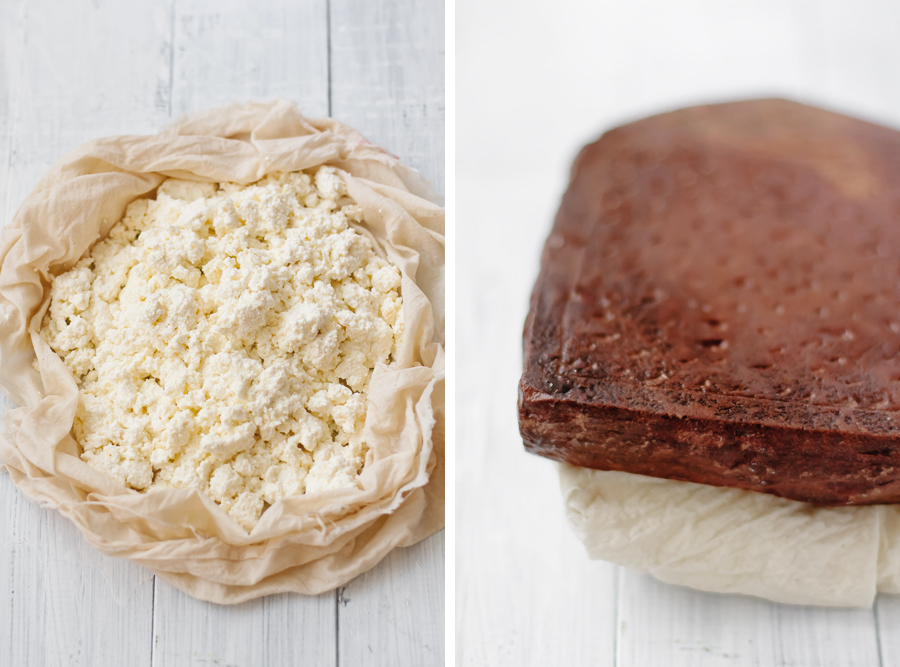
Collect the cheese curd to a sieve or cotton cloth
Press under a weight for 10 minutes (longer pressing will result a dryer cheese, we want it moist and rich)
Cut into cubes
Add to the spinach

Cultured buttermilk is different from the buttermilk that comes from butter churning. It is fermented and thick as yoghurt but has a different taste. It might be a Scandinavian product; I’ve never seen it outside. Kefir is similar to it.

Instead of cultured buttermilk you can use yoghurt or lemon to separate curd from whey. The whey should have a clear, light and greenish hue. Always save it! It is excellent in baking and cooking (use it for boiling rice or as a base for soups and stews, for example). Sometimes it happens there is too much whey left. Let your plants drink it and they will thank you.

ROASTED CARROTS

Carrots
Olive oil
Black pepper
Hing
Salt
Herbs

Wash, peel and cut the carrots
Mix everything
Roast in 220 C until they look fantastic!