Showing posts with label Breakfast. Show all posts

November 8, 2015

An Interview

November 8, 2015
Please continue to Kajal Dhabalia's Wholesome Soul - a blog dedicated to yoga life - where she interviews me about cooking and spirituality. You'll find my current favorite breakfast recipe there, too.
1Breakfast2Breakfast
Thank you.


February 23, 2015

Breakfast

February 23, 2015
2-Breakfast-sprouts5-Breakfast
Many of us grew up thinking breakfast is the most important meal of the day because it provides fuel to the brain and body after an overnight fast (thus the name: “breaking the fast”). There is, however, an ongoing debate about good food habits, and some studies indicate that skipping a cereal, toast and jam may not – metabolically speaking – be as noxious as believed. It would be interesting to know how many of these researches are done with a weight loss rather than a healthy and balanced lifestyle in mind.

Arguments aside, my personal experience is that more regular way I live, hungrier I feel in orderly intervals. Every three or four hours the acoustic signals of my stomach are pounding like a heavy metal band, making me cranky and disoriented, if I don’t turn down the volume by eating a wholesome snack or meal. Such sensation of hunger is the body’s way to communicate the need for energy and, despite of being a nuisance, it is a healthy sign. When the metabolism becomes too weak to send out a distress call, the belly no longer growls in the absence of protein, carbohydrates and fats. By then, there are probably other silent malfunctions related to the liver, hormones and glands, too.
3-Breakfast
An ideal breakfast depends on a person; there is not only one way to start a day. I approach it as the most exciting and nutritious meal of the day because I have a ferocious appetite, and I also see how much strength and vitality it gives. Actually, I “break the fast” already upon waking up by drinking two cups of hot water with lemon juice as a liver and kidney tonic. Then, after my morning duties and meditation, I eat an apple or two. Apples are high in malic acid, pectin, dietary fiber and potassium, and tend to kick stagnant bile, increase digestive flow and slow down insulin response. For the main breakfast, around 8 or 9am, I choose homemade dairy, vegetables, seeds, nuts, legumes and gluten-free grains such as buckwheat, quinoa or basmati rice.

I recently – and finally – bought a pressure cooker which makes it so effortless to prepare chickpeas and other beans and lentils in a jiffy! Instead of boiling the legumes for an hour, it takes from five to ten minutes, and saves energy. I recommend it to every vegetarian.

To make seeds and nuts more digestible, soak them overnight in clean water because, like legumes, they have enzyme inhibitors that otherwise force the pancreas to work overtime and use its own enzyme reserve, causing bloating and heaviness in the abdomen. In a long run, “un-sprouted” nuts may weaken digestion. Germination will increase the availability of additional enzymes, vitamins and minerals such as calcium, magnesium, iron, copper and zinc.

To activate the enzymes:

  • Soak the seeds for 12 hours
  • Rinse the seeds several times to remove any liquid containing enzyme inhibitors
  • Eat the seeds immediately or store in the refrigerator for a couple of days. It may be a good idea to aerate or dry them before storing because, as wet, they are more susceptible to spoiling.
4-Breakfast1-Breakfast-nuts-sprouts
BREAKFAST (serves 2 to 4)


Ingredients
125 ml (1/2 cup) chickpeas
500 ml (1 cup) different nuts: almonds, walnuts, pecans, cashews, Brazil nuts
1 liter milk for paneer + lemon juice
2 avocadoes
100 g (4 oz) baby spinach and other greens (2 – 3 generous handfuls)
2 handfuls of sprouts (alfa alfa, mung, broccoli)
Coconut slivers
Olive oil
Lemon juice
Black pepper powder
Hing powder
Cayenne powder
Kala namak powder
Himalayan salt

Cooking method
Wash and soak the chickpeas for 8 to 12 hours. Rinse and cook them in fresh water until soft but not mushy.

Wash and soak the nuts for 8 to 12 hours. Rinse and chop them coarsely.

Make paneer from 1 liter of milk and lemon juice. Strain it for 10 to 15 minutes and break it into chunks. Save the whey for a later use.

Mix the cooked chickpeas, nuts, paneer, peeled and cut avocadoes, baby spinach, sprouts and coconut slivers in a bowl.

Mix the olive oil, lemon juice, spices and salt in a separate bowl or jar, and add it to the salad just before serving.


Thank you.


October 26, 2014

Autumn tips

October 26, 2014
Some time ago my health collapsed. In order to restore it, I decided to look at the physical imbalance from the point of view of mental harmony. While mapping out the weak points of my lifestyle, I realized that I had gradually accepted many disturbing symptoms – an interrupted sleep pattern, anxiety, night sweats, food cravings and skin disorders among them – as a new “normal”.

Throughout the forties I’ve insisted that bodily discomfort is a part of natural transformation from the productive and outgoing life of youthfulness to an old age. I was wrong. Chanakya Pandita, who was a philosopher and royal advisor (c. 370 – 283 BC), suggested that three emergencies – fire, debt and disease – must be immediately cleared because, if neglected, they will expand and get out of hand.

Basically, there are two paths to wellness. The first one is to medically cover the symptoms, which hardly cures the cause, and the second and often more challenging one is to address the factors that lead to debilitation. It is surprising how much we can influence our condition by adjusting our attitudes, values and habits.

Here are my humble tips for energizing yourself.

5-tip6-tip

Sleep well. A solid six to eight hours sleep sustains and repairs, and rejuvenates the body. It’s like taking a car into a garage where it’s oiled and fixed while you go shopping, except that it should happen every day. More relaxed you are when you lay down, better the rest. If the adrenal glances that sit at the top of your kidneys are overworked, they keep releasing hormones in response to stress, and prevent you from falling and staying asleep. As a result, you will be chronically fatigue.

To create a peaceful environment, turn off all electrical appliances (computer, radio, TV…) and lights, except for a reading lamp, at least an hour before going to bed. Light up some bee wax candles or ghee-lamps instead. Ventilate the room and keep the window open throughout the night. Do some simple asanas, like lifting your legs against the wall for twenty minutes. Take a warm bath. Gently massage the back of your neck and the belly for a few minutes. Drink a cup of hot organic milk with turmeric. If you are sensitive to sound, wear earplugs. Use natural textiles made of wool, linen and cotton. Read a bedtime story.


10-tip

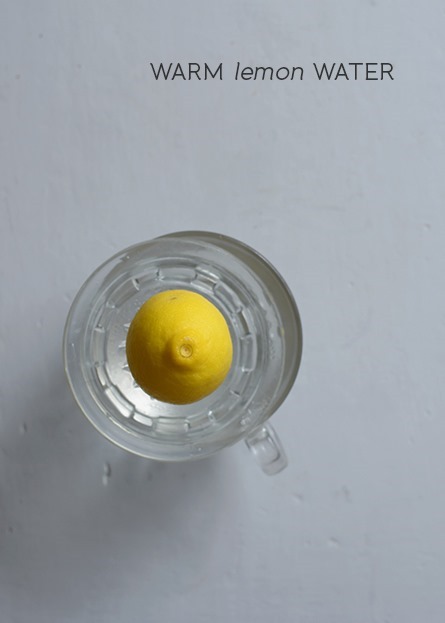
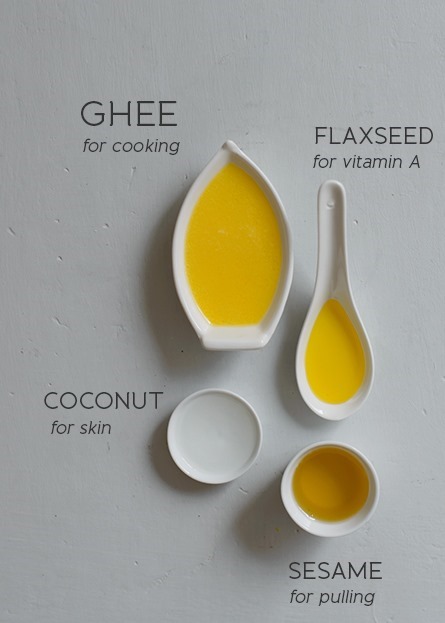
An early bird catches the worm. Upon waking up, do oil-pulling by taking a tablespoon of warm sesame or coconut oil and swishing it in the mouth for ten to fifteen minutes and then spitting it out. This is an ayurvedic method to improve dental hygiene, moisten the gums and pull out toxins, ama, from the body. Then brush your teeth and scrape your tongue. After showering, drink a cup of hot water with lemon juice as a liver tonic.


15-tip11-tip

Utilize the hours before sunrise for spiritual enlightenment. Meditate and educate yourself. Offer respect and thanks to those who are guiding you.
1-tip2-tip

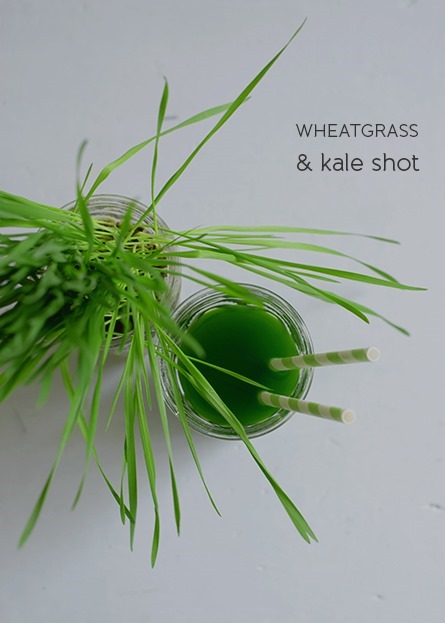
Before breakfast, place three or four kale leaves with a handful of wheatgrass into a blender and process them with water. Sieve the juice and discard the fibre (unless you want to use it in cooking or baking later). This shot has a high concentration of vitamin A, C, and K.

8-tip7-tip

Beautify naturally. Grow your own Aloe vera plant which contains glycoprotein that reduces inflammation and pain, and polysaccharides that promote skin growth and repair. Aloe gel within the leaves is antibacterial; it sooths and moisturizes the skin, and leaves a refreshing, cool impression. You can also make a cleansing mask from the gel and honey, rinse it out after twenty minutes, and apply almond or coconut oil onto your face.
3-tip4-tip

Eat often and smaller portions. Instead of over-eating once or twice a day, downsize the portions and enjoy smaller meals every three hours. Consume proteins like pulses, grains and milk products during the breakfast and lunch, and lighter foods in the afternoon. Add fresh vegetables, seeds and nuts to your diet. Try to get the vitamins, minerals and micronutrients from food rather than from supplements. If you have to take additional nutriments, choose plant-based products like amla for vitamin C, flaxseed oil for Omega-3 and sea kelp for iodine.

Use authentic sea salt or Himalaya salt. Your body reacts against chemically processed sodium chloride or table salt by water retention.

Give up sugar for the time being. It takes two or three days to overcome the addiction if you get enough potassium from the rest of the menu. Eat fruits, prunes, dry apricots and raisins instead. Too much sugar, regardless if it is refined, organic or whole cane, disturbs the body’s insulin and hormone production.

9a-tip9b-tip

Finally, walk in the nature! Even twenty minutes in the woods level blood pressure and relieve tension. It's a beautiful autumn!


April 22, 2014

(Almost) an instant mung dal crépe

April 22, 2014
11-dosa
This winter I have fed my addiction to South Indian cuisine by plunging snow white, steamed cakes (known as idli) in spicy broths, like rasam and sambar. Entranced, I have observed how the simple patties, made of rice and lentils (or sometimes semolina), draw multi-layered flavors from the liquid, like sponges, and carry the perfect union of attraction and diversity into the mouth. There must be a genius mind behind such harmony and compatibility! I am astonished by how a couple of humble ingredients create such an interesting character, story and mood.

Another favorite that has been a weekly fair in our home is dosa. Now that I think about it, rice and dal batter has been fermenting in a clay pot in a warm nook of our kitchen every fortnight; and, when I have run out of it, I have made an “instant” batter. Or, almost instant, because there are degrees of “immanency”, which I will explain later. Before that, let’s have a closer look at dosa!
7-Dosa1-Dosa
Whether paper-thin or a bit thicker, they look like crépes or pancakes but feature the crispiness of a wafer. They are usually made from urad dal (split, dehusked seeds of black gram, not to be confused with black lentils used in European – especially French – cuisine) and rice that are soaked and, then, ground into a fine paste and fermented in room temperature until the mixture expands and adapts a mildly sour temper. The process increases nutritional value and digestibility, which is necessary because urad dal is one of the heavier lentils containing a large amount of vegetarian protein.

Sometimes mung dal is used instead of urad. There is also a variety of dosa made from wheat or semolina. In my upcoming book, there will be a recipe of both, the traditional urad dal dosa and the semolina one (rava dosa) which is especially fun to make: the batter is plastered onto a hot pan, by hand, as if it were wet cement!

Of the pulses, mung dal is most suitable for all body types or humors; its’ chemical breakdown is faster and, thus, the nutrients are easily absorbed into a blood stream. It has a mild aroma in comparison to other beans. I have found it very good for dosa because it leaves a content but light feeling after eating. It can - but does not have to - be fermented which is helpful when you want to have a substantial but quick meal or snack: after soaking for thirty minutes, you can grind and use it. Of course, it is better if you have a hunch the day before and immerse the lentils and rice in water for overnight and ferment the batter for a day! But, in an emergency, you can safely use the shortcut and even substitute rice with rice flour. That’s the shortest definition of “instant”.
5-Dosa4-Dosa
Unlike crépe batter, dosa batter is not poured onto a hot, buttered pan and spread by tilting; it is placed in the center of a dry pan and quickly distributed by doing a circular motion with a flat base of a ladle, leaving small ridges in a spiral. Ghee, butter or oil is sprinkled on the top and sides of the pancake during the frying. Like a charm, the crépe releases itself from the pan when it’s cooked. Usually, dosa is not flipped over but filled directly on the pan, and folded in half or rolled like a wrap, and served immediately with chutney, pickles or as a part of a larger meal.

Potato curry is perhaps the most common way to stuff the pancakes; they go well with coconut chutney. But, I find dosa delicious with any other filling, too! Crépes that envelope fresh, savory cheese is one of our favorites. Sometimes, like the day I was photographing for this post, I crumbled them in a salad, like croutons, as an effort to incorporate energy into a low calorie lunch. For me, this type of side-dish is as creative as it gets, and provokes imagination.
8-Dosa4-dosa-recipe
Ps. I forgot to mention in the recipe that it makes 10 to 15 pieces, depending on the size.


November 17, 2013

Pancakes

November 17, 2013
4pancake3pancake
Do you prefer a sweet or savory breakfast?

Although I’m able to devour a mountain of desserts in the afternoon – four o’clock marking the zenith of the craving – my first meal of the day must be salty: khichdi, uppma, or rice, dal and vegetables. We like hearty breakfasts in our household. A lighter version could consist of a soup or warm salad with a saline pie, chapati or paratha. Sometimes I make potato filled dosa (rice and dal crepes) with coconut chutney or idli (steamed rice and dal cakes), although, idli must always be escorted by a bowl of rasam or sambar (toor-dal broth). Dunking these little white sponges into feisty liquid is a sheer joy and, in my opinion, a proper way to start a day!
2pancake
The exception that proves the rule is that we had a sweet breakfast today: pancakes, strained yogurt, berries and honey. And, we survived! However, I was tempted to grill zucchini slices and serve the pancakes with herbed yogurt instead of berries and honey.
1pancake
The pancakes recoup a recipe (chocolate roulade) I had planned for the blog. While dumping the crumbs in the recycling pin yesterday, I realized, it would need some product development. It’s yet to be seen if an eggless cake bent into a roll without breaking. Have any of you done it successfully? Tips are welcomed!
6pancake5pancake
Thank you.


September 16, 2012

Quinoa Pilaf

September 16, 2012
At your dinner table, is there a dish that receives negative reviews time and again? Regardless how it is prepared or served, it will be poked around. Neither my husband nor I am a picky eater, yet, quinoa used to be an issue for us.

“Fish-eyes again!” my husband exclaimed whenever I pushed a plate of quinoa instead of rice in front of him. He asserted the kernels were crawling and staring at him! We debated, to the point of indigestion, whether quinoa is suitable for vegetarians.
1quinoa4quinoa
When we received an invitation for a lunch at a friend’s house, I flinched. The host had recently introduced quinoa as a supplement to his raw food diet. Before we left home, I took precaution and fed my husband well. The gentleman he is, I knew, he wouldn’t throw a temper-tantrum at the table, but better to be safe than sorry. I had no idea what kind of surprise was ahead of us!
3quinoa2quinoa
The conversation was jolly when we sat down to eat. After a couple of mouthfuls, when I noticed my husband about to say something, I turned gray, horrified.

“This is excellent,” he announced. “What is it?”

My gaze was locked at him like a flock of fish with a thousand eyes (quinoa seeds?). I didn't believe my ears. Seeing him accepting seconds and thirds, and even fourths, it was clear: quinoa khichdi would become his favourite breakfast or lunch.
5quinoa6quinoa
Glistened with lemon juice and olive oil, and mixed with vegetables braised in a pinch of hing, black pepper and ground coriander, quinoa had regained its' vegetarian status. 
7quinoa8quinoa
I usually cook it with yellow, split mung dal instead of aduki beans and omit pine nuts or almonds. This time, for a visual swing, I assembled it as a pilaf, although prefer it like a stew, khichdi.

You judge, is it glaring at you?
Thank you.

February 25, 2012

A Poor Man’s Feast

February 25, 2012
Khichdi, khichri, khichdee, khichadi, khichuri, khichari, khicri, khecheri and many similar names (that don’t sit well with a Western tongue) refer to a nutritionally balanced stew of rice and pulses, depending on the region it is prepared in. Despite of the linguistic acrobatics, the genius of Indian cuisine lies in the simple recipes. This poor man’s feast is combined with high quality grains, easily digestible lentils, fresh vegetables, exquisite spicing and homemade ghee. It is adequate, luscious and comforting.
Kitchari01Kitchari02

As many as there are names, there are ways to cook “kitcheree”. The pulses, spices and vegetables may differ. Nuts and even raisins may be added. In Orissa, in the ancient temple of Sri Jagannath, it is daily served as rich as it gets with almonds, coconut, currants and sweet spices like cinnamon and cloves.
Kitchari3Kitchari4-roti
My basic recipe stems from our acarya, Srila Prabhupada, who introduced it to his disciples as a staple pillar of vegetarian diet. In various forms I’ve cooked or eaten it every day, either for breakfast or lunch, for over 20 years and never gotten bored. Ayurveda, the Indian wisdom of medicine, recommends it for all body types as a cleansing regimen. It is perfect yoga food in sattva-guna, the mode of goodness.
Kitchari-roti1Kitchari-roti2
Kitchari8-rotiKitchari9-roti
To compliment “kitcheree” you may serve some roti (unleavened bread), plain yogurt, raita or chutni. I like to contrast it with roasted or (on finer occasions) fried vegetables. This time I served it with wholegrain chapati, roasted Brussels sprouts and coconut & mint chutni. Delicious!
Kitchari5-brusselKitchari6-brussel
Kitchari-hangerKitchari-recipe
Thanks.