Showing posts with label Tapioca. Show all posts

April 5, 2012

Sabudana – Seasoned Tapioca

April 5, 2012
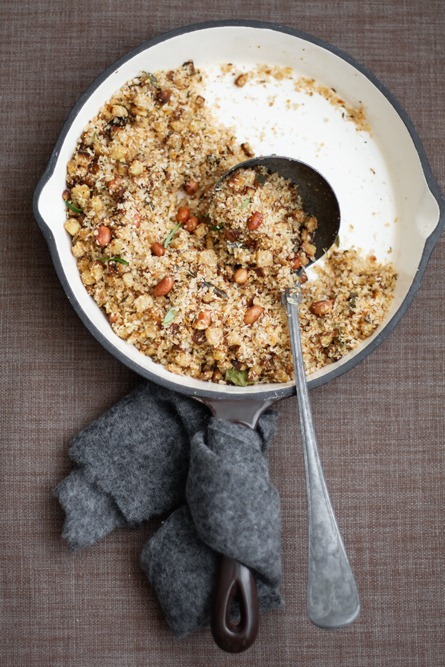
A failure contributes to learning. It is an impetus for analysing a mistake, making a change and trying again. If you wish to master the trial and error method of acquiring knowledge, start with a bag of tapioca pearls and attempt to achieve a dry, light and fluffy side dish. This kind of problem solving is known as guess and check in elementary algebra.

Needless to say how many times I’ve ended up with slimy, sticky porridge before getting the recipe right. It was a triumph when my husband commented a few days ago, “It is delicious”. Until then, he loathed tapioca.

In India, tapioca is called sabu or sabudana. To add to the confusion, sago, which comes from another plant (Metroxylon) and cooks differently, goes by the same name. Tapioca and sago look alike. They are usually interchangable ingredients. I’ve seen countless recipes confusing them.

Tapioca is a starch extracted from cassava (Manihot esculenta). It is used worldwide as a thickening agent. It is gluten-free and low protein.

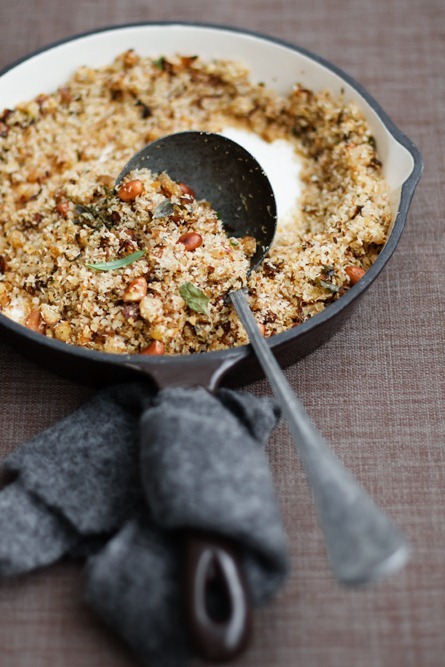
We use sabudana on Ekadasi and other days of fasting from grains. However, by adding green peas, fried carrot sticks, cauliflower bites, herbs and nuts, it turns into a colourful side dish at any meal.
1Sabudana2Sabudana
The trick of preparing sabudana is to rinse tapioca well with cold water. It doesn’t have to soak. Rinsing will give it enough moisture to double or triple in size. Before cooking, it has to drain and dry. To mix it with roasted coconut and peanut powder before adding it to the pot, will aid the pearls to remain separate. Once in the pot, it doesn’t require cooking. It steams to perfection on the top of vegetables within a couple of minutes. If it comes in contact with too high heat, hot ghee or oil it will immediately turn into a sticky mass. Therefore, special attention is required when adding it to the pot.
3Sabudana4Sabudana
Thank you.

March 11, 2012

Sweet Gaura Purnima

March 11, 2012
For a bhakti-yogi, every day is a festival. Celebration is a state of mind. It is an attitude by which we perceive, act and experience reality. A permanent liberation from suffering is a state of consciousness. It is available for everyone, despite the external circumstances. Out of ignorance we are prone to blame others – either persons or situations – for the misfortune that comes our way. Whatever fortune we meet, we take personal credit for. However, happiness and unhappiness are but two sides of the same coin. Like changing seasons, they appear and disappear in the cycle of time. There is a level of existence that is unaffected by such temporary dualities. To inquire about it makes life worthwhile and jubilant.

In the medieval Bengal there were several sages who taught self-realization. Sri Caitanya Mahaprabhu is the most prominent. Gaura Purnima is an annual festival dedicated to him. This year it coincided with the International Women’s Day. Mahaprabhu’s message is that we are men or women only by dress. The equality, eternity, knowledge and blissfulness of soul pertain to all species of life, not only human. It is against the nature's law to oppress any living entity. A fact easily forgotten, wouldn’t you agree?

Besides sophisticated culture and philosophy, Bengalis are known for their milk sweets! Particularly those made of chenna cheese. To the pleasure and honour of the Bengali vaishnavas (Vishnu-bhaktas) led by Sri Caitanya Mahaprabhu, I cooked down ten litres of organic full-fat milk for misthi doi, sabudana payesh, rasgolla, sandesh and Ganga-Yamuna laddoo. I didn’t have an opportunity to photograph the misthi doi, which is thick, sweet yogurt. I will post the recipe another time. Instead, I will share a cream burfi recipe. It is a modification of the traditional Vrndavan peda. Because the milk and goor (palm sugar) separated from the ghee during the last minutes of boiling, I added a little bit milk powder and fresh cream to it. It turned out wonderful and tasted authentic.

As expected of anything boiled and soaked in syrup, rasgolla is a hyper-sweet dessert. To make it fresher and less intense, I added orange juice and zest to it. The flavours absorbed beautifully.

Fresh flower garlands are tied as a token of devotion towards those loved and admired.
GP-rasgollaGP-mahaprabhu
If you are not a friend of kheer (sweet rice), you might be pleasantly surprised by sabudana payesh. It is lighter but equally soulful.  During the spiritually important days, like Gaura Purnima, Janmashtami and Ekadasi (twice a month), we fast, cook and feast without grains.  Sabudana refers to either tapioca or sago pearls. For payesh tapioca works better.

While stirring and boiling down the milk I entertained myself by the philosophical narration of Sri Caitanya Caritamrta by Krsna Das Kaviraj Gosvami. It is a fascinating portrayal of simple living and high thinking in rural Bengal and Orissa, recorded about five hundred years ago.  
GP-payeshGP-book
Ganga-Yamuna laddoo gets the name from the famous holy rivers of India. It is also known as manohara laddoo. Creamy burfi is wrapped in moist, soft sandesh. I added roasted almonds to the burfi and rolled the laddoos in finely chopped almonds and raw sugar-powder.

Every prominent occasion begins with an auspicious sound of a sacred conch, shankha.
GP-laddooGP-sankha
Waking up before sunrise, bathing and quietly meditating on a rosary, japa-mala, pacifies the consciousness. With a content and clear mind it is a pleasure to cook cream and milk sweets for hours. 
GP-burfiGP-japa
The fragrance of natural Radha-Madhava incense made by the monks of Mayapur purifies our home.
GP-dhupaGP-recipe
Thank you for participating in the festive mood!